

The Top Benefits of Teletherapy for Mental Health
Over the past few years, teletherapy, or online therapy, has rapidly gained popularity as a viable and effective alternative to traditional in-person counseling. As technology has advanced and societal attitudes toward mental health have evolved, teletherapy has emerged as a game-changer in the way people access mental health support.
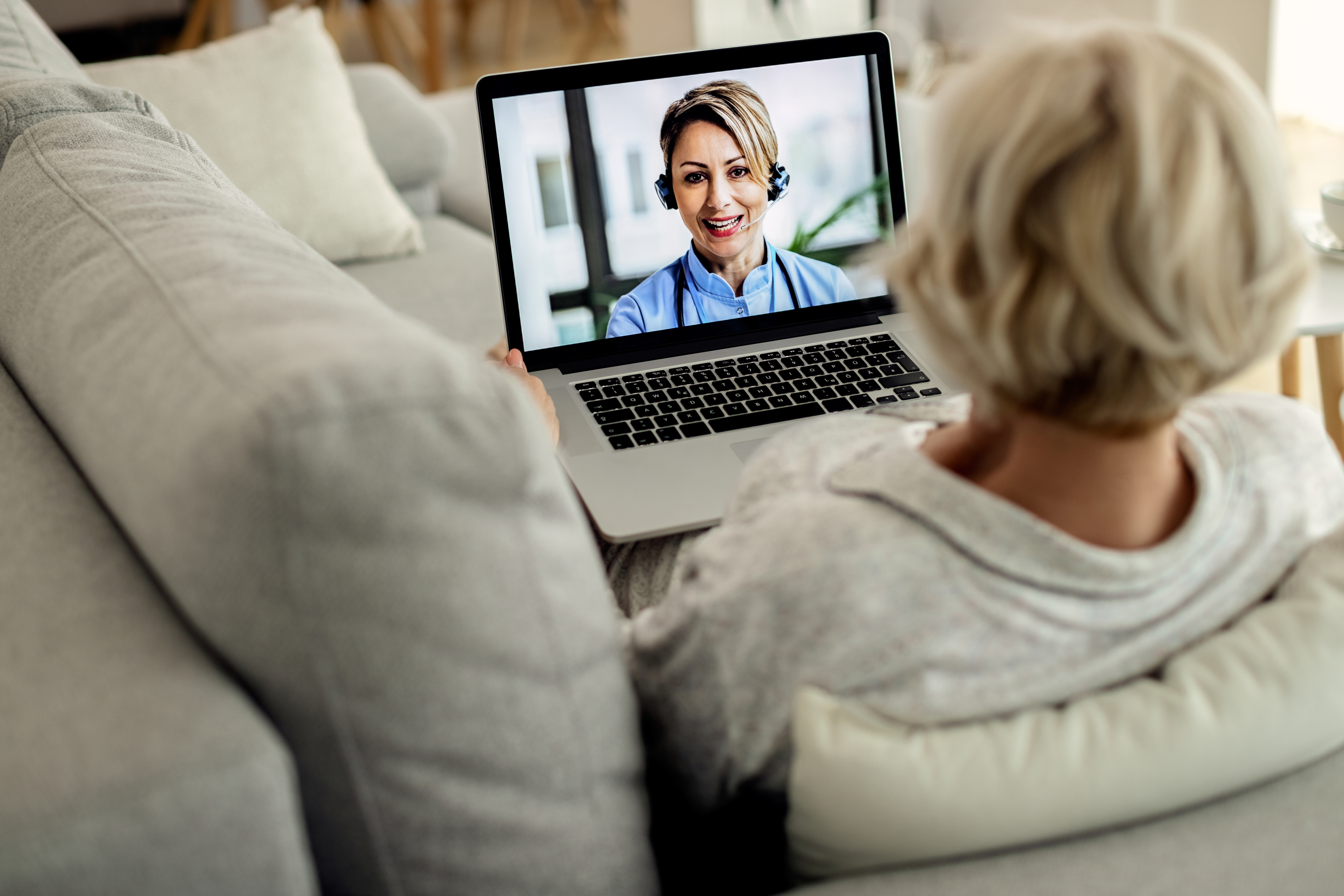
Teletherapy involves receiving therapy sessions via video calls, phone calls, or even text-based platforms, providing greater flexibility and convenience for individuals seeking mental health care. In this blog, we will explore the top benefits of teletherapy for mental health and how it can help you or someone you know on their journey to emotional well-being.
- Increased Accessibility and Convenience
One of the most significant benefits of teletherapy is the convenience it offers. Traditional therapy often requires individuals to commute to an office, taking time out of their busy schedules, which may not always be feasible. Teletherapy eliminates this barrier, allowing clients to access therapy from the comfort of their homes or anywhere with an internet connection.
This accessibility is especially beneficial for individuals with mobility issues, physical disabilities, or those living in rural or remote areas where access to mental health professionals may be limited. With teletherapy, therapy is just a click away, making it easier for individuals to seek help and stay consistent with their mental health treatment.
- Greater Privacy and Comfort
For many people, the idea of attending therapy in person can feel intimidating or anxiety-provoking. Entering a therapist’s office, sitting in a waiting room, or having to explain why you’re seeking help to others can be overwhelming, especially for those who experience social anxiety or stigma around mental health.
Teletherapy offers a more private and comfortable environment, as clients can participate in sessions from the safety of their own homes. This setting can help ease the nerves and make it easier for individuals to open up about their struggles. Being in a familiar space can encourage a sense of security and relaxation, which is essential for a productive therapeutic experience.
- Flexibility in Scheduling
Teletherapy provides a level of flexibility that is often lacking in traditional in-person therapy. With teletherapy, clients can schedule appointments that fit more seamlessly into their daily lives. Whether it’s early mornings, evenings, or weekends, many therapists offer a wider range of available time slots for online sessions.
This flexibility is particularly valuable for people with demanding work schedules, family obligations, or other time constraints. It allows individuals to prioritize their mental health without having to rearrange their lives or sacrifice other commitments.
- A Larger Pool of Therapists to Choose From
With traditional therapy, clients are often limited to therapists within their local area. This can make it difficult for individuals to find a therapist with the right expertise or therapeutic approach. However, teletherapy opens up a much broader pool of mental health professionals.
Clients can choose therapists from across the country or even internationally, giving them access to specialized care that may not be available locally. This is particularly helpful for those with specific needs or conditions, such as PTSD, addiction, or eating disorders, as they can find a therapist with expertise in these areas, regardless of location.
- Breaking Down Stigma Around Mental Health
Unfortunately, stigma around mental health issues still exists in many communities, and the idea of attending in-person therapy may feel shameful for some individuals. Teletherapy offers a level of anonymity that reduces the stigma associated with seeking help.
Since clients can engage in therapy sessions from the privacy of their own homes, they may feel less self-conscious about being seen at a therapy office. This sense of privacy can make it easier for individuals to take the first step in seeking help and continue with their treatment without feeling judged or stigmatized.
- Consistency and Better Adherence to Treatment
One of the challenges in mental health treatment is ensuring that clients remain consistent with their therapy sessions. Life events, transportation issues, and scheduling conflicts can disrupt regular appointments, which may impede progress. Teletherapy reduces these barriers, making it easier for clients to keep their appointments and adhere to treatment plans.
By removing the need for travel and offering more flexible scheduling, teletherapy increases the likelihood that clients will maintain a consistent therapy routine, which can lead to better outcomes in managing their mental health conditions.
- Affordable and Cost-Effective
Teletherapy can also be more affordable compared to in-person therapy. Many therapists offer lower rates for online sessions, and clients save money on travel expenses, such as gas or public transportation. Additionally, teletherapy can sometimes be covered by insurance plans, making it an even more cost-effective option for those seeking mental health care.
For individuals who are hesitant about the financial cost of therapy, teletherapy offers an option that may be more budget-friendly without compromising the quality of care.
- Comfortable for Different Therapy Formats
Teletherapy is not only effective for individual therapy but can also be adapted for couples, family, and group therapy. In couples therapy, partners can attend sessions from different locations, which may make it easier for them to engage in therapy when meeting in person would be logistically difficult. Similarly, family therapy or group therapy can be conducted virtually, allowing participants from various locations to join and benefit from the shared experience.
This adaptability makes teletherapy a versatile tool for addressing different types of therapy, broadening its appeal and accessibility.
- Increased Engagement and Participation
Some individuals may feel more comfortable expressing their thoughts and feelings in an online setting rather than face-to-face. The virtual format can make it easier for clients to communicate, especially those who may feel overwhelmed or nervous during in-person therapy sessions. Additionally, some people may be more inclined to speak openly about sensitive topics when they are in a familiar, private space.
The virtual setting can also encourage clients to be more engaged with their treatment. For instance, clients may be more likely to show up to appointments regularly or participate more actively in discussions when they feel more at ease in the online format.
- Convenient for Therapy Homework and Resources
Therapists often assign “homework” or self-care exercises for clients to complete between sessions. With teletherapy, it’s easier for therapists to send resources directly to clients through email, secure messaging platforms, or file-sharing systems. This allows clients to stay organized and focused on their treatment, without the need to keep track of physical documents.
Conclusion
Teletherapy offers numerous benefits for individuals seeking mental health care, making it easier, more accessible, and more convenient to prioritize mental well-being. From the comfort and privacy it provides to the flexibility in scheduling and broader therapist selection, teletherapy is revolutionizing how people receive therapy and overcome mental health challenges.





Leave a Reply